Not every document belongs in an AI prompt. This practical four-level AI data-classification framework helps employees decide what they may share, which tool they may use and when they must stop and ask.
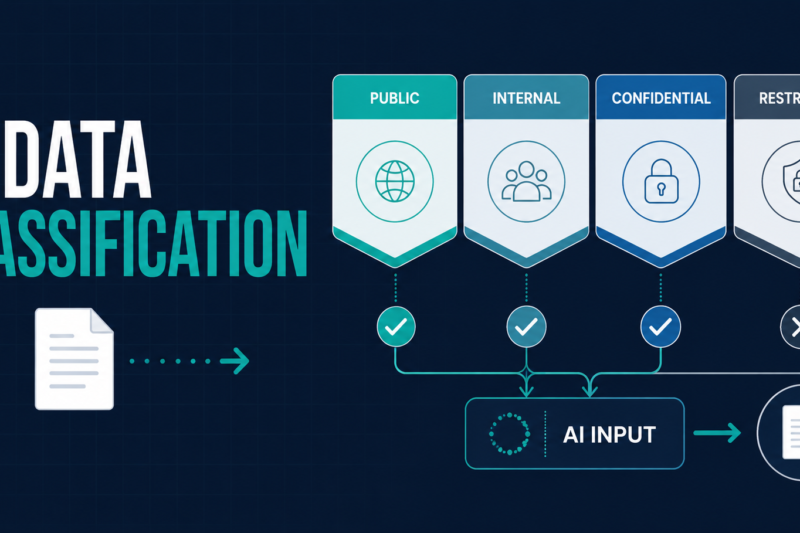
Not every document belongs in an AI prompt. This practical four-level AI data-classification framework helps employees decide what they may share, which tool they may use and when they must stop and ask.
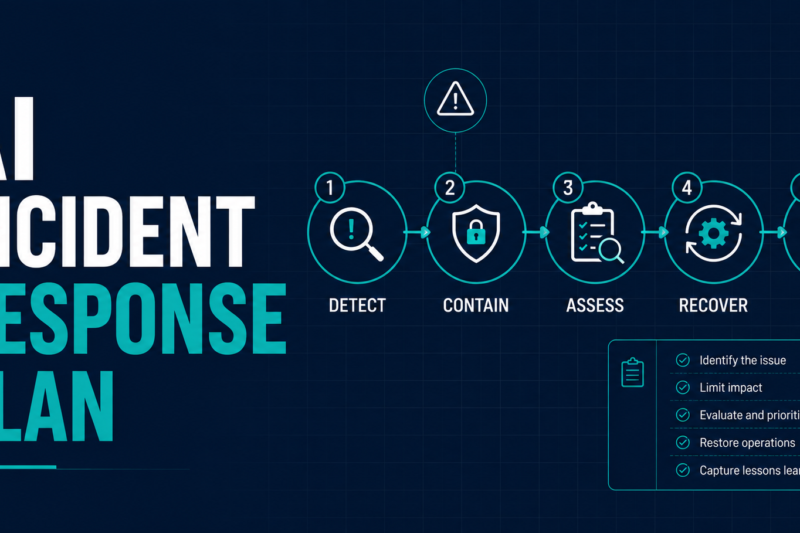
AI failures do not fit neatly into a normal IT help-desk ticket. Use this practical AI incident response plan to detect, contain, assess, recover from and learn from harmful or unexpected AI behaviour.
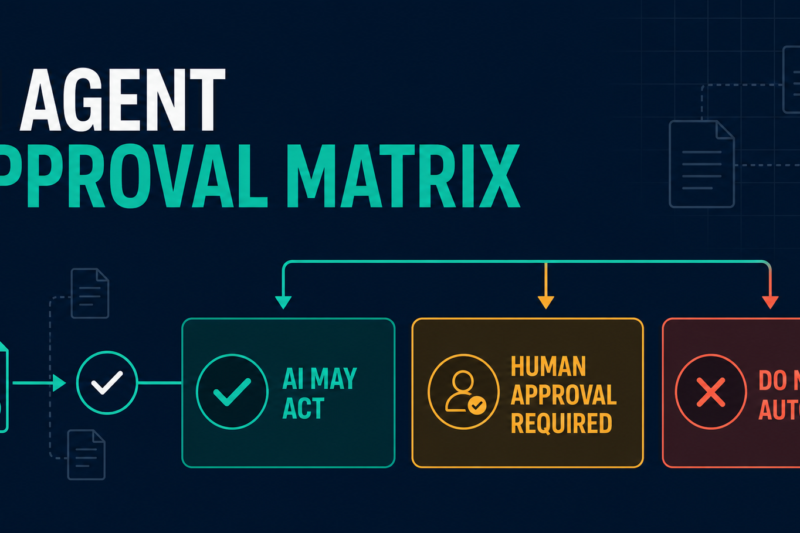
AI agents can draft, update records and trigger workflows—but not every action deserves the same autonomy. This practical approval matrix helps organizations decide when AI may act, when a person must approve and when automation should stop.
Category: Guides & Tutorials
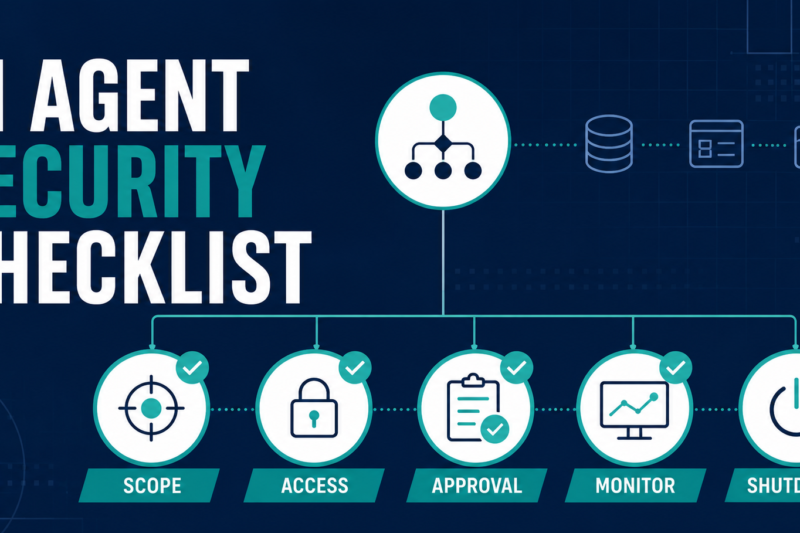
AI agents can read files, call tools and take actions—not merely generate text. Use this practical 15-point checklist to test business need, permissions, data access, human approval, monitoring and emergency shutdown before connecting an agent to real systems.
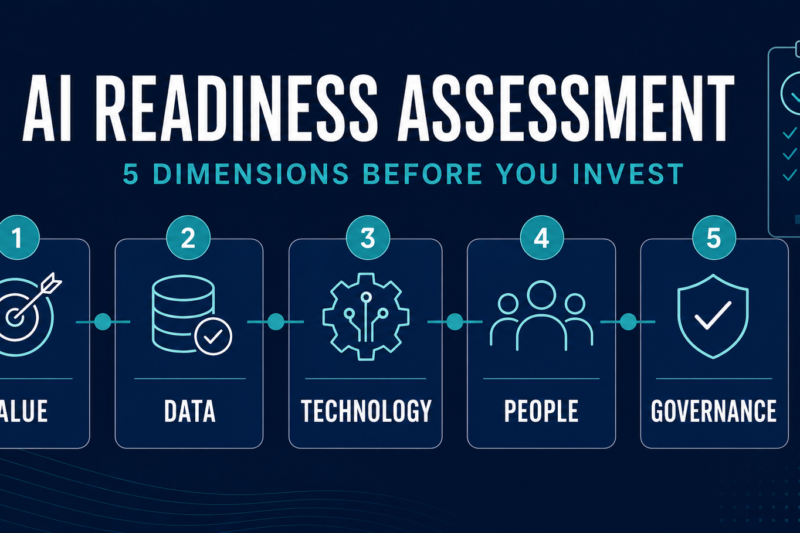
Buying an AI tool is easy; preparing a business to use it well is harder. Use this 25-question scorecard to assess value, data, technology, people and governance—and identify what to fix before your next AI investment.
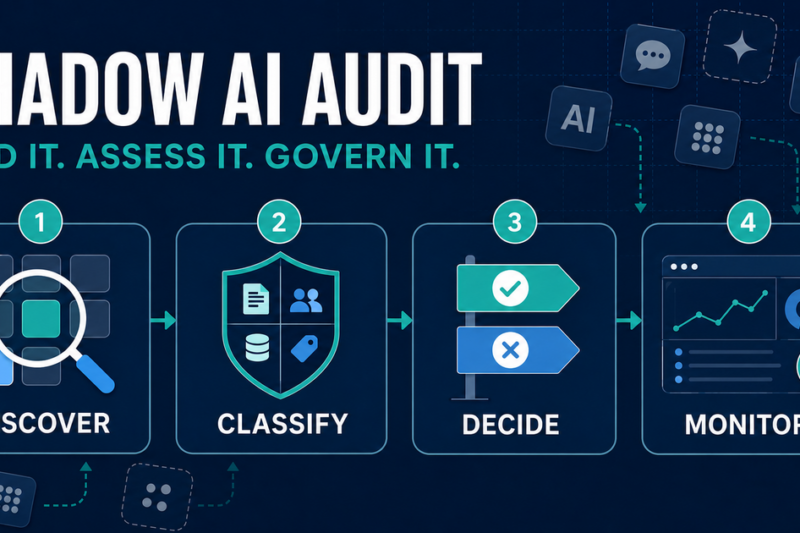
Employees may already be using unapproved AI tools with company information. This practical shadow AI audit helps businesses discover current usage, classify risk, approve useful tools and monitor them without imposing an ineffective blanket ban.
Employees may already be using AI at work. This practical guide and copy-ready acceptable use policy help small businesses define approved tools, protect sensitive data, require human review and assign accountability.